
Beginner Tips for Backyard Birdwatching: A Guide to Getting Started
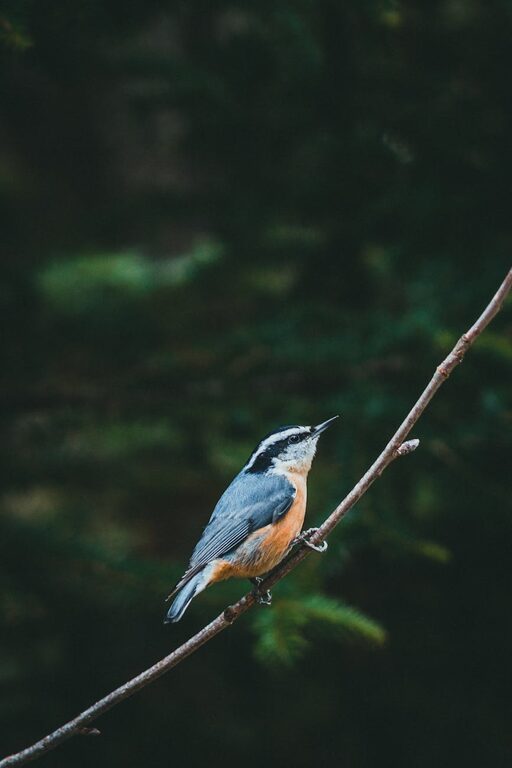
Birdwatching is a relaxing and rewarding hobby that connects you with nature. You don’t need to travel far or invest in expensive gear to start observing birds—in fact, your own backyard can become a vibrant birdwatching hotspot. If you’re new to this pastime, here are some beginner tips to help you enjoy and identify the feathered visitors in your outdoor space.
Why Choose Backyard Birdwatching?
Backyard birdwatching is accessible to almost everyone. It allows you to:
– Enjoy nature without leaving home
– Learn about local wildlife
– Reduce stress by spending time outdoors
– Engage the entire family in a fun activity
Starting close to home makes the hobby easy and sustainable.
Set Up a Bird-Friendly Space
Attracting birds starts with creating a welcoming environment. Here are some simple ways to do that:
Provide Food
Birds visit your yard primarily for food, especially during colder months. Consider these options:
– Seed Feeders: Use a variety of seeds like sunflower seeds, millet, and nyjer. Different seeds attract different bird species.
– Suet: High-energy food beneficial during winter.
– Fruit: Some birds enjoy sliced apples or berries.
– Avoid Bread: It offers little nutritional value and can be harmful.
Place feeders where you can see them easily from your window or patio.
Offer Water
Birds need water not only to drink but to bathe. A shallow birdbath works well. Keep water clean and replace it regularly to prevent mosquito breeding.
Provide Shelter
Trees, shrubs, and bushes provide places for birds to hide, rest, and nest. Native plants are especially helpful because they attract native birds and insects.
Create a Safe Environment
– Avoid using pesticides or chemicals that could harm birds.
– Keep cats indoors or supervise their outdoor time.
– Position feeders and baths in locations safe from predators.
Choose the Right Equipment for Beginners
While you don’t need a lot of gear, certain items can enhance your birdwatching experience.
Binoculars
A good pair of binoculars helps you see birds up close without disturbing them. Look for lightweight models with clear optics and moderate magnification (around 8x to 10x).
Field Guide or App
A bird identification guidebook or phone app will help you recognize species based on color, size, and behavior. Many apps also allow you to listen to bird calls.
Notebook or Journal
Recording your sightings can be fun and educational. Note the date, time, species, and any interesting behaviors.
Learn the Basics of Bird Identification
Identifying birds can seem challenging at first, but focusing on a few key features makes it easier.
Focus on Size and Shape
Is the bird small or large? Does it have a long tail or short wings?
Notice Color Patterns
Look at overall color and any distinctive markings such as stripes, spots, or patches.
Observe Behavior
Is the bird feeding on the ground, perching quietly, or flitting through trees? Different behaviors can hint at the species.
Listen to Calls and Songs
Many birds have unique vocalizations. Apps or websites with bird sounds can help you match calls.
Best Times to Watch Birds
Birds are most active in the early morning and late afternoon. Plan your birdwatching sessions during these times for the best chance to see a variety of species.
Join a Birdwatching Community
Connecting with local or online birdwatching groups can enrich your experience. You can learn from others, share sightings, and participate in citizen science projects like bird counts.
Be Patient and Enjoy the Process
Birdwatching is about more than just ticking off species; it’s about appreciating the beauty and behavior of birds. Sometimes you might wait quietly for a few minutes or return repeatedly to see different visitors.
Summary Checklist for Beginners
– Set up feeders and provide clean water
– Choose suitable beginner binoculars and ID resources
– Learn key identification tips (size, color, behavior, sound)
– Watch in early morning or late afternoon
– Keep a journal of your observations
– Join birdwatching communities for support and learning
– Be patient and enjoy the natural rhythms of bird life
Starting backyard birdwatching requires curiosity and care more than anything else. With these tips, you’ll be well on your way to discovering the delightful world of birds in your own outdoor space. Happy birdwatching!