
How to Plan Balanced Meals Without Stress: A Simple Guide
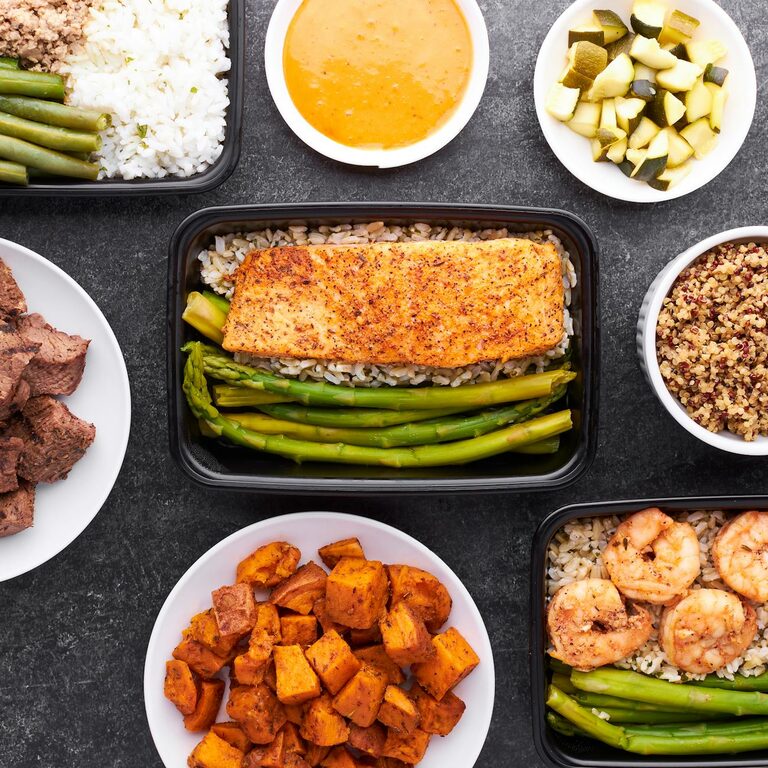
Planning balanced meals doesn’t have to be overwhelming or time-consuming. With a few simple strategies, you can create nutritious, satisfying meals that fit your lifestyle and support your health goals. This guide will walk you through practical steps to plan balanced meals without the usual stress.
Why Plan Balanced Meals?
Balanced meals provide the right mix of nutrients your body needs to function well—proteins, carbohydrates, healthy fats, vitamins, and minerals. Eating balanced meals regularly can boost your energy, improve mood, and support overall health.
However, meal planning can sometimes feel like a chore. Rushing decisions at mealtime often leads to unhealthy choices or last-minute takeout. The good news is that with a bit of preparation and simple tips, you can make meal planning easy and enjoyable.
Step 1: Understand What Makes a Balanced Meal
A balanced meal includes a variety of food groups in appropriate portions. A simple way to remember this is the “plate method”:
– Half the plate: Vegetables and fruits
– One quarter: Protein (meat, poultry, fish, beans, tofu)
– One quarter: Whole grains or starchy vegetables (brown rice, quinoa, potatoes)
– Small portion: Healthy fats (olive oil, nuts, avocado)
Including a mix of colors and textures not only makes your meal visually appealing but also provides diverse nutrients.
Step 2: Plan Ahead — Weekly or Monthly
Taking some time to plan your meals in advance reduces last-minute stress and impulsive eating:
– Create a meal calendar: Pick a day each week to plan breakfasts, lunches, dinners, and snacks.
– Use themes: Assign themes like Meatless Monday, Taco Tuesday, or Fish Friday to simplify choices.
– Check your schedule: Plan quicker meals for busy days and more elaborate dishes when you have time.
– Batch cook or prep ingredients: Cook larger portions to freeze or prepare vegetables and grains ahead.
Step 3: Keep a Balanced Grocery List
A well-planned grocery list ensures you have everything needed to assemble balanced meals:
– Stock up on staples: Whole grains, canned beans, frozen vegetables, eggs, and healthy oils.
– Seasonal fruits and vegetables: They tend to be fresher, tastier, and more affordable.
– Variety in proteins: Select lean meats, plant-based options, and fish to keep meals interesting.
– Avoid impulse buys: Stick to your list to save money and avoid unhealthy temptations.
Step 4: Use Simple Cooking Techniques
Balanced meals don’t require complicated recipes:
– One-pan meals: Combine protein, veggies, and grains in one dish (like sheet pan dinners).
– Slow cooker or Instant Pot: Prepare meals with little hands-on time.
– Salads and bowls: Toss together fresh ingredients with a simple dressing.
– Stir-fries: Quick-cook veggies and protein with flavorful sauces.
These methods save time and minimize cleanup.
Step 5: Portion Control and Mindful Eating
Even when meals are balanced, portion sizes matter:
– Use smaller plates to avoid overeating.
– Listen to your hunger cues and eat slowly.
– Avoid distractions like screens during meals.
Mindful eating helps you enjoy your food and recognize when you’re full.
Step 6: Be Flexible and Forgive Yourself
Meal planning is meant to make life easier, not perfect:
– Don’t stress if you need to swap meals or order takeout occasionally.
– Keep some quick, healthy snacks or frozen meals on hand for busy days.
– Experiment with recipes and find what works best for you.
Sample Balanced Meal Ideas
Here are a few examples to inspire your planning:
– Breakfast: Oatmeal topped with berries, nuts, and a spoonful of yogurt
– Lunch: Grilled chicken salad with mixed greens, quinoa, cherry tomatoes, and olive oil dressing
– Dinner: Baked salmon, roasted sweet potatoes, and steamed broccoli
– Snack: Apple slices with almond butter or hummus with carrot sticks
Final Tips for Stress-Free Meal Planning
– Set realistic goals: Start with planning just a few meals per week.
– Use technology: Meal planning apps and grocery lists can simplify the process.
– Cook with others: Share the workload with family or friends.
– Stay consistent: Routine makes meal planning easier over time.
By following these simple steps, meal planning can become a relaxing, rewarding part of your routine—helping you enjoy tasty, balanced meals without stress. Happy cooking!