
Tips for Choosing Comfortable Home Lighting That Suits Your Space
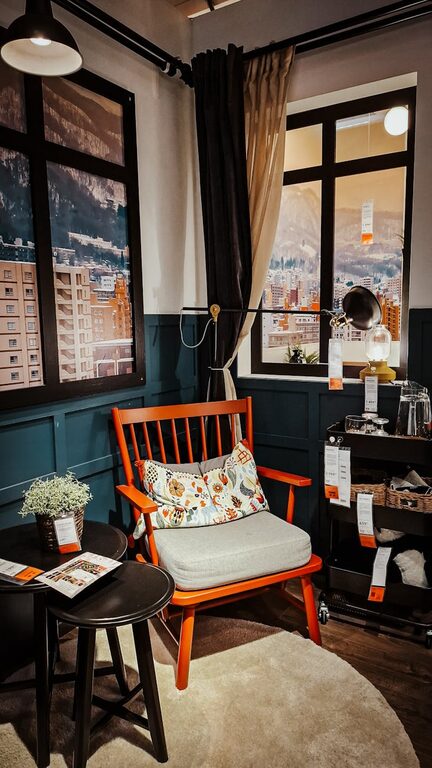
Creating a warm and inviting atmosphere in your home often starts with the right lighting. Comfortable home lighting doesn’t just illuminate your rooms—it adds to the mood, supports different activities, and even influences your well-being. But with so many options available, how do you choose the best lighting for your space? This guide will walk you through key considerations and tips to help you pick home lighting that feels just right.
Why Comfortable Lighting Matters
Before diving into tips, it helps to understand why lighting comfort matters. Poor lighting can lead to eye strain, headaches, or simply make a space feel harsh or uninviting. Conversely, well-chosen lighting enhances your home’s aesthetic and makes everyday tasks easier and more enjoyable.
Assess Your Lighting Needs by Room
Every room in your home serves a different purpose, so your lighting should reflect that.
Living Room and Family Areas
These spaces are for relaxing and socializing, so aim for a warm and cozy ambiance. Consider layered lighting with a combination of:
– Ambient lighting: Overhead fixtures or recessed lights that provide general illumination.
– Task lighting: Floor lamps or table lamps near seating for reading or hobbies.
– Accent lighting: Wall sconces or LED strips to highlight artwork or architectural features.
Kitchen
The kitchen requires bright, focused light where you prepare food. Think about:
– Bright ambient lighting: Ceiling-mounted lights or recessed fixtures.
– Task lighting: Under-cabinet lights that illuminate countertops.
– Adjustable options: Dimmers to soften light after meal prep.
Bedroom
A bedroom lighting scheme should promote relaxation and ease of transition between activities.
– Soft ambient lighting: Warm bulbs and fixtures that provide gentle illumination.
– Task lighting: Bedside lamps or wall-mounted reading lights.
– Night lights: Soft, low-level lights to help navigate in the dark without disrupting sleep.
Bathroom
Bathrooms need functional lighting without being too harsh.
– Bright, even lighting: Overhead lights and vanity lights that eliminate shadows.
– Color accuracy: Choose lighting that mimics natural daylight to help with grooming.
Choose the Right Color Temperature
Lighting color temperature is measured in Kelvins (K) and affects the mood of your space.
– Warm white (2700K–3000K): Creates a cozy, welcoming atmosphere, ideal for living rooms and bedrooms.
– Neutral white (3500K–4100K): Balanced, suitable for kitchens and bathrooms.
– Cool white or daylight (5000K–6500K): Bright and energizing, good for task-focused areas.
Keep in mind that warmer lights tend to be more comfortable for relaxation, while cooler lights help with focus and productivity.
Pay Attention to Brightness and Lumens
Brightness is measured in lumens, not watts. Higher lumens mean a brighter light. When selecting bulbs:
– Look for bulbs with suitable lumens for each room’s function.
– Consider dimmable bulbs for flexibility.
– Layer your lighting to avoid overly bright or dim spots.
Opt for Adjustable and Layered Lighting
Having control over your lighting enhances comfort. Use dimmers, smart bulbs, or lamps with adjustable brightness and color settings. Layered lighting—combining ambient, task, and accent—offers versatility and helps you adjust the mood easily.
Select Fixtures That Complement Your Style and Function
Lighting fixtures should fit your design aesthetic and be practical.
– Choose fixtures that provide the right amount of light without glare.
– For minimalist rooms, recessed lights or sleek pendants work well.
– For cozy or vintage vibes, consider lampshades or fixtures with warm finishes.
Ensure Proper Placement
Where you place lighting impacts comfort. Avoid placing lights directly in your eyes or creating harsh shadows on work surfaces. For example:
– Position reading lights to one side, not behind you.
– Use indirect lighting to reduce glare.
– Place accent lights to showcase focal points.
Consider Energy Efficiency
Comfortable lighting should also be energy-conscious.
– LED bulbs save energy and last longer.
– Look for Energy Star-rated products.
– Use sensors or timers to avoid leaving lights on unnecessarily.
Experiment Before Committing
Finally, don’t hesitate to test lighting options before finalizing your choice.
– Use bulbs with adjustable color temperatures.
– Try different fixture styles or lamps in your space.
– Consider consulting a lighting designer for complex projects.
—
Choosing comfortable home lighting takes a bit of planning, but the difference it makes can be significant. By assessing your comfort needs, selecting the right bulbs and fixtures, layering lighting, and considering functionality, you’ll create a bright, welcoming home that fits your lifestyle perfectly. Happy lighting!